PCOS and Infertility: Myths, Facts, and Fertility Tips
PCOS and Infertility: Myths, Facts, and Fertility Tips
Understanding PCOS
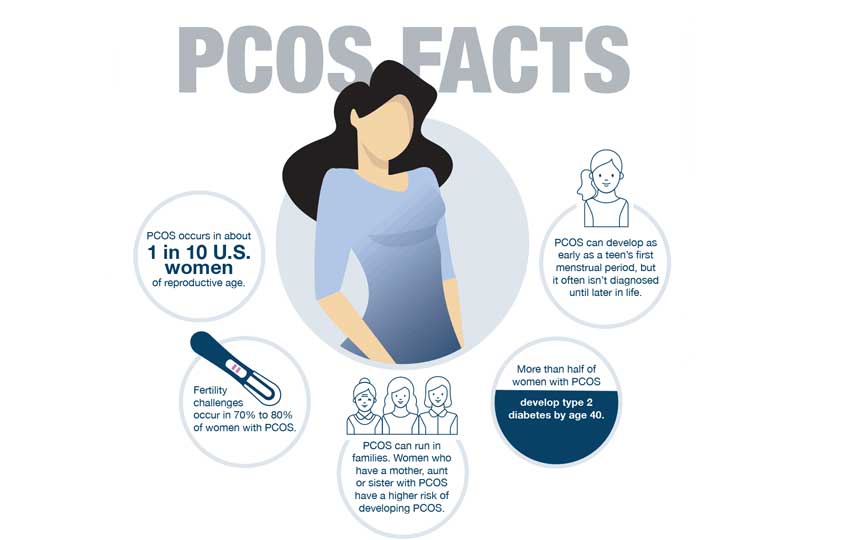
Polycystic Ovary Syndrome (PCOS) is a prevalent endocrine disorder affecting women of reproductive age. Characterized by hyperandrogenism, chronic anovulation, and polycystic ovaries, PCOS is often associated with insulin resistance and obesity. It can lead to reproductive, metabolic, and cardiovascular complications.
Women with PCOS often face fertility challenges due to irregular ovulation. However, with appropriate interventions and lifestyle modifications, the chances of conception can be significantly improved.
Fertility Tips for Women with PCOS
Implementing certain lifestyle changes can enhance fertility in women with PCOS:
Weight Management: Achieving and maintaining a healthy weight can help regulate hormonal levels and improve ovulatory function.
Stress Reduction: Managing stress through relaxation techniques can prevent hormonal imbalances that affect fertility.
Dietary Adjustments: Adopting a low glycemic index diet can stabilize blood sugar levels and reduce insulin resistance, which is beneficial for ovulation.
Medical Treatments for Ovulation Induction
For women who do not ovulate regularly, several medical treatments can aid in inducing ovulation:
Clomiphene Citrate: A common first-line treatment that stimulates ovulation.
Letrozole: An alternative to Clomiphene, effective in inducing ovulation in many women with PCOS.
Metformin: An insulin-sensitizing agent that can improve ovulatory function, especially in overweight women.
Gonadotropins: Hormonal injections used when other treatments are unsuccessful, requiring close monitoring.
Advanced Fertility Treatments
If ovulation induction medications are ineffective, assisted reproductive technologies may be considered:
Intrauterine Insemination (IUI): A procedure where sperm is directly placed into the uterus around the time of ovulation.
In Vitro Fertilization (IVF): An advanced technique involving egg retrieval, fertilization outside the body, and embryo transfer into the uterus.
Conclusion
While PCOS is a common cause of infertility, many women with the condition can conceive with appropriate treatment and lifestyle changes. Early intervention and personalized care are key to achieving reproductive goals.
Understanding IVF Failure: Causes and What Can Be Done
Published: June 14, 2025
The breakthrough of assisted reproductive technology (ART) has enabled many couples to conceive, but IVF failure remains a challenge with multiple causes—some obvious, others overlooked.
1. Obesity
Women with a BMI above 35 face lower implantation and pregnancy rates. Though obesity may not directly cause IVF failure, it negatively affects ART success rates.
2. Cigarette Smoke
Both active smoking and secondhand tobacco smoke (STS) exposure negatively impact fertility and IVF outcomes.
3. Uterine Fibroids
Fibroids can hinder implantation when they distort the uterine cavity. Intramural fibroids may also affect outcomes, especially in unexplained IVF failure cases.
4. Uterine Anomalies
Conditions like uterine septum are linked to pregnancy loss and may interfere with fertility, though further research is ongoing.
5. Thyroid Dysfunction
Even mildly elevated TSH levels (>2.5 mIU/L) may lead to lower birth weight and increased miscarriage risk during IVF pregnancies.
6. Psychological Stress
High cortisol (“stress hormone”) levels increase miscarriage risk. Reducing stress can potentially improve ART success rates.
7. Embryo Transfer Technique
While not an independent cause, poor embryo transfer technique can affect success and must be carefully considered after repeated failures.
8. Immune Factors and Thrombophilias
Controversial but increasingly studied, immune and blood clotting disorders may impact IVF outcomes and deserve individualized investigation.
Our Twofold Mission
Reduce the negative impact of modifiable factors through treatment or lifestyle changes.
And this doesn’t end here… stay tuned for our next article diving deeper into infertility and practical treatment approaches.
Top Causes of IVF Failure & What You Can Do About Them | Akanksha IVF
COVID-19 and Pregnancy: What Expecting Mothers Need to Know
Published on: June 14, 2025
The novel coronavirus (SARS-CoV-2) is a strain responsible for COVID-19, first identified in late 2019. Human-to-human transmission primarily occurs through close contact. While vertical transmission (from mother to baby) is considered possible, it is not linked with developmental defects based on current evidence.
Pregnancy and Immune Response to COVID-19
Pregnancy changes immune response, possibly leading to more severe symptoms in the third trimester. However, current data does not indicate that pregnant women are more likely to become critically ill or die from COVID-19 compared to non-pregnant adults.
Common symptoms include:
Cough
Fever
Shortness of breath
Headache
Anosmia (loss of smell) and loss of taste
Severe symptoms such as pneumonia or hypoxia require early assessment and supportive treatment. Higher risk of hospitalization is linked to:
Maternal age >35 years
Overweight or obesity
Pre-existing medical conditions
Does COVID-19 Increase Risk of Miscarriage?
Current evidence does not suggest an increased miscarriage risk from COVID-19. While earlier coronaviruses like SARS and MERS showed some complications, no direct link with miscarriage or second-trimester loss has been established. Some data suggest a slightly higher risk of preterm birth, but causality is unclear.
Safety Tips for Pregnant Women During COVID-19
Wash hands regularly with soap and water; use sanitizer with at least 60% alcohol.
Practice social distancing; maintain 2 meters (6 feet) from others.
Do not skip prenatal or postpartum visits—check for telemedicine options.
Monitor for respiratory symptoms and seek medical care if they appear.
Keep up-to-date with other vaccines like flu and Tdap.
Work from home when possible and avoid crowded spaces.
Ensure a 30-day supply of necessary medications is available.
Emotional Well-Being
The pandemic can heighten anxiety. Managing stress is vital for the health of both mother and baby. Stay connected with loved ones, seek professional help if needed, and maintain a routine that supports physical and mental health.
COVID-19 and Pregnancy: Risks, Symptoms, and Safety Tips | Akanksha IVF
Fertility Treatment During COVID-19: Safety Protocols at Akanksha IVF Centre
Published on: June 14, 2025
Over the past few months, COVID-19 has dominated headlines globally, including in India. While much research is ongoing, current evidence does not indicate that COVID-19 negatively affects fertility. If you’re not infected and are considering fertility treatments like IUI, IVF, or ICSI, it’s safe to consult a clinician at a fertility clinic.
COVID-19 Protocols at Akanksha IVF Centre
To ensure the safety of all patients and staff, we have implemented strict protocols:
Prior appointment is mandatory for all consultations
Arrive on time; no early or late arrivals to avoid crowding
Mandatory hand sanitization and thermal screening at entry
Triage form must be filled at the registration area
Maintain a minimum 6 feet of social distancing
Only patients are allowed inside OPD; one attendant allowed if essential
Leave personal belongings like bags in your vehicle; carry only prescription and wear a mask
Avoid high-contact surfaces like lift buttons and stair railings
Online consultations are available for doubts or follow-ups
Prefer digital payment to reduce contact
We are committed to providing world-class fertility services safely during this time
Fertility Treatment Safety During COVID-19 | Akanksha IVF Centre Delhi
Egg Freezing (Oocyte Cryopreservation) in IVF
Published: June 14, 2025
In IVF, several steps must go right for a successful outcome. One critical process is egg freezing (also called oocyte cryopreservation), a fertility preservation technique that allows women to store their eggs for future use.
It enables women who are not ready for pregnancy due to personal, professional, or medical reasons to preserve their fertility until the time is right.
What Is Egg Freezing?
Egg freezing involves harvesting eggs from a woman’s ovaries, freezing them in an unfertilized state, and storing them for later use. Unlike embryo freezing, egg freezing does not require sperm and keeps the eggs unfertilized until needed.
Why Do People Choose Egg Freezing?
Reasons include:
Medical conditions (e.g., cancer, autoimmune diseases)
Radiation or chemotherapy risks
Delaying marriage or pregnancy for personal or career reasons
Desire to wait until mentally and emotionally ready for parenthood
How the Egg Freezing Process Works
The process involves three major steps:
Ovarian Stimulation: Synthetic hormones like gonadotropins are administered to stimulate multiple eggs while preventing premature ovulation.
Egg Retrieval: After 10–14 days, eggs are collected via transvaginal ultrasound aspiration — a needle guided by ultrasound removes eggs from the follicles. This is a short day-care procedure under anesthesia.
Egg Freezing: Eggs are rapidly cooled through a method called vitrification, and stored for future use.
Prior to the process, patients undergo screening for infectious diseases like HIV and hepatitis, and an ovarian reserve test to evaluate egg quality and ovarian response.
Is Egg Freezing Right for You?
This decision is highly personal. While it offers reproductive flexibility, success depends on age at the time of freezing. Success rates for implantation range between 30–60%, with higher chances for younger women.
Egg Freezing (Oocyte Cryopreservation) for IVF | Akanksha IVF
Despite tremendous success rates, there is some hesitation among people regarding In Vitro Fertilization. Although infertility is on the rise and so are the advancements in IVF techniques, in the sub-continent countries like India, infertility is still considered more of a “taboo”.
Things are changing very quickly now that infertile couples themselves are coming forward and replying to the criticism with big hearts.
It is time to educate people that infertility is a common biological condition and can affect anyone. Infertile couples opting for IVF are urging the society to accept, support and encourage the couples who want to have a child via IVF and it is high time we accept it with open heart. There is nothing to be ashamed of.
IVF has become a huge ray of hope for many patients who would be unable to become parents otherwise.
It is not something new, and has a safe track record. Couples who have undergone IVF vouch for the safety and this helps relieve anxiety of couples planning for IVFin the future.
Certain heritable diseases can be screened and managed by IVF though embryo selection such as in case of thalassemia trait / minor where patients are normal but affected children can have a major disease. This can be avoided with IVF. The awareness can be spread by couples who seek IVF for this purpose and get positive results.
Human beings are limited by their own biological limits. Be it muscular performance, sexual health or fertility, everything weakens and diminishes with age. On top of this, the biological age of some may even be more than their physical age due to stress, diseases, pollution, inadequate diet etc. These complexities not just reduce our natural abilities but also jeopardize execution and performance of various biological functions and processes.
One of the important crucial biological functions of any living being is the ability to conceive and reproduce. Advancing age negatively affects fertility. Even though the effects are seen in men as well, they are much more enhanced in women who have a considerable limited reproductive window.
Women are carrier of human eggs, the potential for new life. The eggs are already there at the time of birth of a girl even though they don’t mature till puberty kicks in. However, with age, there is a decline in both the numbers and quality of these eggs. Hence, the chances of getting pregnant and successfully delivering a baby reduce considerably with advancing age . The difference can be deciphered from the following comparison: while a woman in her 20s has a one in third chance of getting pregnant every menstrual cycle, this number drops down to one in twenty for a woman in her 40s.
With IVF, sperms are combined with a woman’s eggs in artificial setting inside a laboratory. When the sperm fertilizes or penetrates the eggs, it gives rise to embryos which are then transferred into the uterus. One can also opt for freezing of unfertilized eggs, termed as ‘oocyte cryopreservation’. Alternatively, older women can opt for eggs from young donors where the probability of conception increases as they utilize eggs donated by a younger and healthier woman. Therefore, even though it is challenging, many women have healthy pregnancies and babies even in their 40s owing to the advancements in the field of IVF.
When it comes to IVF, a lot comes down the best fit for individuals. The procedure itself is a huge step and demands a lot research and information and not just money. Therefore, one has to make the right choice because often the right clinic can turn out to be the miracle one is waiting to add to their life.
The best way to start is asking the right people. This includes trusting friends, personal doctors, online or offline support and care groups, individuals who have gone through IVF previously. One has to mooch of their experience to arrive at viable options.
There is a lot of information available online but one has to look for accurate fertility clinic statistics. This may require personal communication with people at the clinic like patients, doctors and specialists.
In a lot of ways it comes down to the ability and quality of the fertility doctor. It may be just a single doctor or an expert team of medical practitioners as per the facility. But their attitude, responsiveness, willingness to answer questions or meeting in person can be good indicators of their professionalism and commitment levels. Their training certifications and credentials can also be checked through proper channels. Their past work and experience also matters a lot. One should also make sure there are experts like andrologist or endocrinologists available at the facility too.
Apart from the doctors, one has to make sure that the facility provides clarity regarding the fees and payment. It is always better to ask ahead about the prices offered . Specifics regarding tests, medications, eggs retrieval and implantation of embryo etc. need to be known as well. Embryo freezing and storage option should be discussed.
In the end, everything comes down to the success rates of the clinic itself. One should remember that high rate does not always mean the best quality assurance as statistics can be skewed. As a caveat, if anyone claims success in one cycle, ring the alarm bells and get out of that place. There is no 100% guarantee when it comes to IVF, whatever be the cause of the infertility.
Human beings are limited by their own biological limits. Be it muscular performance, sexual health or fertility, everything weakens and diminishes with age. On top of this, the biological age of some may even be more than their physical age due to stress, diseases, pollution, inadequate diet etc. These complexities not just reduce our natural abilities but also jeopardize execution and performance of various biological functions and processes.
One of the most crucial biological functions of any living being is the ability to conceive and reproduce. This is necessary to ensure survival and continual existence. This is true even for human beings who rely on complex system of conception and reproduction. This is even more alarming when it comes to women’s age and fertility. Even though the effects are seen in men as well, they are much more enhanced in women who have a considerable limited reproductive window.
Women are carrier of human eggs, the potential for new life. The eggs are already there at the time of birth of a girl even though they don’t mature till puberty kicks in. However, with age, there is a decline in both the numbers and quality of these eggs. Hence, the chances of getting pregnant and successfully delivering a baby reduce considerably with advancing years. The difference can be deciphered from the following comparison: while a woman in her 20s has a one in third chance of getting pregnant every menstrual cycle, this number drops down to one in twenty for a woman in her 40s.
With IVF, sperm is combined with a woman’s eggs in artificial setting inside a laboratory. The eggs are allowed to mature in an accelerated environment by giving women injections for ovarian stimulation. When the sperm fertilizes or penetrates the eggs, it gives rise to embryos which are then transferred into the uterus. One can also opt for freezing of unfertilized eggs, termed as ‘oocyte cryopreservation’. Alternatively, older women can opt for young donors where the probability of conception increases as they utilize eggs donated by a younger and healthier woman. Therefore, even though it is challenging, many women have healthy pregnancies and babies even in their late 30s and early 40s owing to the advancements in the field of IVF.
Nearly 1 out every 6 couples is infertile even after a year of unprotected intercourse. The sheer numbers of couples struggling to conceive without medical intervention is on the rise and surprisingly every third of them is down to male infertility.
Even though the popular wisdom may suggests and is quick to castigate women when it comes to infertility issues, in 40-50 % of cases it comes down to the male. Either directly or indirectly, it may be linked to what is called as male factor infertility. It can be due to a congenital problem with the testes, environmental, due to a cancerous growth or related to hormonal imbalance.
The condition of infertility itself may be due to a no sperm count (azoospermia), low sperm count (oligospermia), or decreased sperm motility (asthenospermia) or other structural abnormalities that impede the delivery of sperm.
Medically, low sperm count is fewer than 15 million sperm per milliliter of semen or fewer than 39 million per ejaculate but it is not just the quantity but quality of sperm that also needs to be factored in. If the sperm is not moving (motility) or functioning normally, it might never get to the egg or penetrate it successfully.
The symptoms, apart from the obvious inability to conceive, are not very clear and distinguishable. There can be an underlying issue (like mentioned above) but for most men it comes to issues with sexual performance and function like premature or weak ejaculation, reduced libido and desire and inability to maintain erection i.e. erectile dysfunction. Some of the other physical telltale signs (even though rare) include respiratory discomfort, swollen testicles, no or reduced facial or body hair, gynecomastia (abnormal breast growth).
Other medical conditions that can play a part are varicocele (swelling of the veins that drain the testicle), epididymitis (inflammation of the epididymis), orchitis (inflammation of the testicles) etc. Reproductive tract infections can also interfere with sperm production or sperm health including gonorrhea or HIV.
Environmental causes like exposure to toxic chemicals like organic solvents, pesticides or radiation like X-Rays can also impede sperm function. Exposure to heat due to elevated temperatures also interferes with sperm production and function. Exposure and intake of anabolic steroids can result in decreased sperm production. Similarly, intake of recreational drugs like marijuana, cocaine etc., alcohol can sexual problems and can lower testosterone levels.
One thing that is often overlooked is the psychological component when it comes to problems with sexual intercourse. Psychological or relationship problems can impair not just sperm production but also decrease sexual desire. Emotional stress and chronic depression can cause sexual dysfunction as well.
There can also be physical trauma like spinal injuries, undescended testicles, tubular defects in the transportation of sperm etc leads to permanent testicular damage or ejaculatory malfunction. Lifestyle disorders like diabetes, obesity etc also impede the process of sperm production and motility.
Usually a time period of 1 year of unprotected intercourse is advised before any alarm bells are needed to be rung. So in case one has gone through the advised length of span, a visit to the doctor becomes imperative.
Since the introduction of IVF or in vitro fertilization technique in the late 1970s millions of couples have been given the miracle that they would have otherwise never hoped for. However, with the popularization of IVF is there has been a steady growth of attached myths and misconceptions. These have not only plagued the understanding of the procedure but also deter many more possible recipients who are unclear or suspicious of the procedure or the one making it happen. A lot of these arise from a dearth of clear understanding about the procedure but a small amount can also be attributed to the attached stigma of not being able to conceive unassisted. As the understanding of the procedure develops, many of the scare-stories automatically get dashed. However, there are some that have persisted. The following are few of the many popular myths surrounding the IVF technique:
IVF can make everyone fertile: IVF is one of several and not the all encompassing range of available techniques when it comes to treating infertility. Some others like Intra Uterine Insemination (IUI) are differentially useful and successful.
IVF is flawless and foolproof: The overall success rate ranges for 40-45% and depends of a spectrum of conditions like health, hormonal balance etc. A healthy embryo in the lab has to undergo several stages to be successfully implanted. Post implantation also, there may be different causes and factors that can still derail the pregnancy. This is the reason why many go for multiple embryos for transplantation to help boost the chances of implantation.
IVF is dangerous and leads to abnormalities in the children: The unpredictability of how the baby is born is not exclusive to IVF and it suffers from same level of uncertainty as in a naturally born child. It is almost 98% safe with minimal threat to quality of life. There many some effects like over sensitivity of breasts, fatigue, spotting, muscular cramping etc. but these are not extraordinary to being expectant.
IVF donors may run out of ovarian reserves: At the start of every ovarian cycle, your body regenerates the required amount of eggs to give them the best possible odds of fertilization irrespective of how many eggs ones donate for IVF.
IVF leads to ovarian cancer: Ovarian stimulation in the donors is declared safe with no cases of cancer growth due to intake of gonadotroins. There is no research that links fertility drugs to the development of endometrial or ovarian cancer.
IVF leads to uncontrolled hyper-stimulation and twins, triplets etc: IVF is the only procedure that controls the number of embryos being transplanted. However, as a lot of women cannot afford to go through multiples cycles they opt for more number of embryos to be transferred and transplanted. It can lead to multiple gestations. But the number of embryos is a matter of choice, not compulsion.
Age appropriateness to the procedure: Contrary to popular perception, the procedure is also effective in mature and post-menstrual women.
Some infertile couples undergo many IVF cycles and produce good quality embryos but the embryos consistently fail to implant. This is called Implantation Failure (IF). The process of implantation involves two main components, a healthy embryo that should have the potential to implant and a receptive endometrium that should enable implantation.
Maternal: Inadequate endometrial receptivity (65% of IF): IF might be due to undiagnosed uterine pathology mainly hyperplasia, polyps, endometritis, synechiae or fibroids. Decreased endometrial receptivity could be because of thin lining, altered expression of adhesive molecules, immunological factors or thrombophlias.
Embryonic: Genetic & chromosomal cause (30% of IF): High rate of chromosomal abnormalities in human embryos is responsible for IVF failure in majority of cases.
Multifactorial: (5% of IF): Patients with endometriosis have decreased ovarian response, embryo quality, implantation & pregnancy rates which may cause implantation failure.
Hydrosalpinx lower implantation and pregnancy rates by direct embryo toxicity or adverse effect on endometrium.
Investigation & Treatment for Implantation Failure
Improving Endometrial Receptivity:
Studies have shown that hysteroscopic treatment of intrauterine pathologies improves the pregnancy outcome.
With the advent of Endometrial Receptivity Array (ERA) test, it is possible to screen the human endometrium for its receptivity status in natural and stimulated cycles. It is a molecular diagnostic tool that can identify whether the endometrium is receptive or not by analysing the expression of a group of 238 genes related to endometrial receptivity. The ERA test has shown that some of the WOI allows the personalisation of the embryo transfer.
Selection of Good quality Embryos:
Time Lapse Imaging: The newly developed proceure ascertains the optimal embryos for transfer into the womb based on the amount of time that the fledging embryos takes to grow from one stage to another stage. When this defined time period lasts longer, the embryo is probably carrying an abnormal number of chromosomes (called aneuploidy), which will inevitably result in a failed pregnancy.
PGS/PGD: PGS is a preventative measure used to identify chromosomal abnormalities in the embryo, even if there is no evidence of a genetic abnormality in either parent.
Transfer of embryo at the blastocyst stage is a more physiological approach because the human embryos enter the endometrial cavity only 5 days after fertilization.
Improved embryo transfer technique must be done very carefully and gently in cases of implantation failure.
Multifactorial Treatment Options
Literature has shown that suppressing endometriosis before planning ART significantly increases the clinical pregnancy and ongoing pregnancy rates.
Laparoscopic salpingectomy is recommended in all women with hydrosalpinx before IVF treatment, definitely in cases of implantation failure.
At Akanksha IVF center we have many patients of implantation failure referred from other centres. Our team comprising experienced specialists and embryologists is well equipped to handle such cases with good and convincing results.
What exactly is PCOS?
Polycystic ovarian syndrome is the most common hormonal disorder affecting 5-10% of general population. The syndrome described as a group of women with absence of menstrual periods (amenorrhea), infertility, hirsutism (unwanted hair growth in women), and enlarged polycystic ovaries.
What happens in your body in PCOS?
Main Problem is resistance to insulin, which causes an imbalance in the sex hormones This imbalance makes multiple cysts in the ovaries, hence the name polycystic ovaries. PCOS may be hereditary at times.
Symptoms
Irregular or non-existent periods.
Very light or very heavy bleeding during your period
Excessive hair growth on your face, chest and lower abdomen
Acne
Infertility
Obesity
Patches of dark areas on the back of neck and other areas
May also increase the risk of:
High blood pressure
High level of blood cholesterol
Type 2 Diabetes
MYTHS
Women with PCOS cannot have Children (false) | Women who have had children cannot have PCOS (false) | Removal of uterus cures PCOS (false)
A woman who has polycystic Ovaries definitely has PCOS (false) | There will be no problems after menopause (false)
If a woman does not want to have children (or more children), she should not worry about PCOS (false)
FACTS
PCOS can be treated easily.
A woman with PCOS can have children. Women who had conceived normally, can still have PCOS.
TREATMENT
Lifestyle Modification:
30 minutes daily exercise improves body’s use of insulin and can help relieve symptoms of PCOS
Control of irregular menses: Cyclical progesterone, Estrogen progesterone pills.
Treatment of Hirsutism: Mechanical by plucking, shaving, Electrolysis, laser
Management of infertility: Clomiphene citrate, Gonadotropins, Metformin, Weight loss.
A male factor is solely responsible in approximately 20% of infertile couples. According to WHO 2010, parameters for male subfertility are a sperm concentration less than 15 million sperm/ml, progressive sperm motility less than 32%, and normal sperm morphology less than 4%.So, if the results of the first semen test are abnormal, the test should be repeated.
What causes a low sperm count?
There are several genetic and non-genetic conditions including a hormone imbalance ,a inherited genetic or structural problem, genital infections, previous surgery, varicocele, certain medication, long- term anabolic steroid use, cancer medications, etc.
What are the treatment options available for low sperm count?
The treatment of male infertility depends upon the underlying cause.
Evidence suggests that a man who smokes typically reduces his sperm count, and that is reversible if he quits smoking.
Blockage of the reproductive tract — Men can undergo surgery to correct the blockage. If it is not successful, another option is assisted reproductive technologies using sperm retrieved from the testes.
Gonadotropin treatment- If you have low levels of gonadotrophin hormones you should be offered treatment with gonadotrophin drugs to improve your fertility.
Varicocele – It can be treated surgically. An alternative to varicocele repair is assisted reproductive techniques (ART),such as intracytoplasmic sperm injection (ICSI) where few sperm are needed.
Severely low counts and/or motility: IVF/ICSI is the best option.
Intracytoplasmic sperm injection (ICSI): With ICSI, a single sperm from the male partner is injected directly into a woman’s egg (oocyte).
Testicular extraction of sperm (TESE) — If a man’s semen completely lacks sperm in the ejaculate (azoospermia), sperm can sometimes be directly removed from the testes. Azoospermia (nil sperm count) with no retrievable sperm may need donor sperm.
At Akanksha IVF centre, we are performing approximately 600-700 IVF/ICSI cycles every year and our success rate is around 40-45%.
There is a whole breed of new-age women who do not choose to have a baby because of work commitments. This new “professional hazard” is spreading like an epidemic especially in metropolitan cities.
When to see infertility expert:
If a female is below 35 years and unable to conceive after one year of unprotected intercourse.
If the female is over 35 years and unable to conceive after six months of unprotected intercourse
How old is too old?
At the time of birth: two million eggs
At puberty: 400,000 eggs
At 40 years: 40,000 to 50,000 eggs
45 years: 5000 eggs
Beginning in the twenties eggs begin to diminish in quantity and quality. Significant deterioration occurs after 35 years.
For women, the cessation of menses (menopause) is an obvious sign of ageing. But it is by no means the only change. A transition period lasts for many years before menopause and this occurs because of a distinct and dramatic decline in oestrogen production. And as women ages, risk of genetic problems increases in the baby. This triad of declining fertility, declining hormone levels and increasing risk for genetic problems is what most people mean when they say “biological clock”.
Female biological clock:
>Women in their 20s: Fertility rate/month is 20-25% Spontaneous miscarriage rate: 5-10% Incidence of genetic abnormality (Downs’s Syndrome) is 1 in 1200. Women in their early 30s: Fertility rate per month is 15% Miscarriage rate 20%. Women above 35s: Fertility rate per month 10% Miscarriage rate 25% Risk of Down’s syndrome 1 in 350 Genetic testing is recommended.
Women in their 40s: Fertility rate per month is 5%, Even with IVF, success rate is 10% 90% of eggs are genetically abnormal on biopsy. Miscarriage rate is 33% Incidence of genetic abnormalities is one in 38 Egg donation is the key. Oocyte donation success rate: 80%
Sexual intercourse is for pleasure and reproduction but couples undergoing fertility treatment experience less interest in sex, the pleasure goes by the wayside for people struggling to conceive.
Having a Semen Analysis? Abstain for Optimal Sample
When the male partner is asked to produce a sample for a semen analysis it is recommended that the man abstain from any form of ejaculation for 2-3 days prior to analysis.
Sex During Monitored ovulation induction cycle with timed intercourse
During the treatment the female patient takes medication to induce egg formation. The cycle is monitored . Once ovulation occurs the couple is instructed to have intercourse during the most fertile day. Apart from that the couple can maintain usual frequency of intercourse during the month.
Sex during : Intrauterine Insemination (IUI)
If a couple is undergoing IUI treatment. Once the follicle is ready, trigger shot is administered. IUI is usually planned 36 hrs after the trigger shot. We generally encourage couples to have intercourse during these days as they mark the period of maximum fertility.
Intercourse is also suggested the evening following the IUI. This may help increase the chances of fertilisation.
Sex during: In Vitro Fertilisation (IVF) Cycle
Sex during the stimulation phase of an IVF cycle is acceptable as long as the couple is using a form of barrier contraceptive. Abstinence from the day of trigger is advised in order to have better sample on the day of egg retrieval. Post egg retrieval intercourse should be avoided as there is some discomfort, mucosal barrier is disrupted hence increased risk of infection.
Sex During: Post Embryo Transfer: IVF, FET, and Donor Egg Treatment
Intercourse is discouraged following an embryo transfer during an IVF, FET, or donor egg cycle. Pelvic rest is recommended anywhere from 5-7 days after transfer since sexual activity, may effect implantation. Most IVF patients can resume normal sexual activity 1-2week after their embryo transfer.
According to the World Health Organisation (WHO), Clinical definition of infertility can be described as the failure to achieve clinical pregnancy after 12 month of regular unprotected sexual intercourse. Between 10-15% of couples experience infertility . In around 40 % of cases, male partner alone is responsible in 40% cases female alone, in 10% cases the cause remains unexplained.
The causes of female infertility can be divided as acquired, genetic and by location.
The acquired factors according to ASRM
According to American Society for Reproductive medicine (ASRM), Age, Smoking, Sexually Transmitted Infections and being overweight or underweight can all affect fertility.
Genetic Factors
There are many genes mutation which causes female infertility. Unknown number of genetic mutation also causes a state of sub fertility.
By Location
The defects could be at the level of higher centre like hypothalamus or pituitary at the level of ovary, tubes / peritoneal, uterine, cervix or vagina. Diagnosis starts with proper history, the test involves the semen analysis of male partner, tubal patency tests and hormonal profile of the female partner. To test the ovarian reserve AMH, D2 / FSH, E2 and AFC is done. Other tests like TSH, PRL also helps in diagnosis of thyroid or prolactin disorders as a cause of infertility. Diagnostic laparoscopy or hysteroscopy can be done in specific instructions.
Intrauterine Insemination is a procedure where the aliquot of processed semen is inserted into the uterus, bypassing the cervix at the ovulation. In Vitro Fertilization (commonly called as IVF, and known in the early days as “test tube baby”)combine egg and sperm in a laboratory. Embryos are formed and transferred inside the uterus. IVF does not guarantee that 100% pregnancy would be the result.
DR. K.D.NAYAR* M.D.,D.G.O.,DIP.OBST.(IRELAND)
Desire to have a child is so deeply rooted in our society that inability to bear children burden the couple not only on the physical & financial aspect but also on emotional front. As if the diagnosis and the treatment weren’t difficult enough, the emotional turmoil surrounding infertility- while perfectly normal is yet another source of anxiety and stress. Most couples experience the struggle in much the same way. It’s a big challenge for the concerned physicians who are treating the couple as well as for relatives & friends to help them cope with their emotional problems during this difficult period.
What is the definition of infertility?
A couple can be considered as infertile only when after one year of regular, unprotected intercourses they fail to achieve pregnancy.
Initial state of denial or shock
Most couples have tried to conceive on their own over a period of months or even years, the ultimate diagnosis of infertility usually brings disbelief or shock for them. According to Dr.( Mrs) Poonam Nayar, Ph.D., Consultant Psychologist at Akanksha IVF Centre in New Delhi, the first question that arises in their mind is “How could I be infertile when there is no other health problem?”. This is usually followed by feeling of anger & depression. They may feel angry at their partner, at friends & family members, at God or even at medical profession for not caring enough or not finding an immediate solution of their problem’ Many individuals & couples may find it exceedingly difficult to discuss their problem openly with others. Seeing other people conceiving effortlessly & moving on with their lives brings the sense of isolation.
Who is to be blamed for?
In our Indian society, mostly the woman is blamed first but everyone should know the fact that infertility is a problem of a couple, not of an individual. In general population, infertility affects 20 % couples. Among infertile couples, the problem lies in male partner in 40%-50% cases, in 30%-40% of cases female partner can have some cause and in 20%-30 % cases both can suffer from some problem .15% couples can have more than one cause of infertility, so series of tests & investigations are required and it may take a few months to find out the exact cause of infertility. And above all this, some couples suffer from unexplained infertility where no cause can be found out even after all investigations During this time some people loose their patience and change their doctors frequently in order to get immediate results.
How does infertility affects couple’s relationship
Strain on marriage is the greatest stress of infertility. These people mainly go through anger, isolation, depression & guilt. When anger is directed at one partner it can be especially destructive for the relationship.
Stress during Infertility
Researches have now begun to consider the hormonal changes that occur in human body during stress. There are studies which correlate stress with infertility. The prolonged & difficult period of treatment may result in stress that may have an adverse affect on fertility. Yoga or any other form of de-stressing exercises are very beneficial during infertility treatment.
When do you need help of Professional Counsellor
Loss of interest in normal activities
Depression that doesn’t seem to go away, Suicidal thoughts
Difficulty thinking about anything other than your infertility
High levels of anxiety
Change in sleep patterns (difficulty falling asleep or staying asleep, early morning awakening, sleeping more than usual)
Change in appetite or weight (increase or decrease)
Increased use of drugs or alcohol
Social isolation, persistent feeling of guilt, anger or worthlessness
What should be done!
Ideally the treatment should be done in a fully equipped infertility centre where along with thorough checkup, adequate counseling can be provided to the couples. The treating physician & staff must provide support to these couples, although the efforts can be quite time consuming but a patient conversation with such couple help them understand the magnitude of their problem and time required for the treatment. However, a Clinical Psychologist & Counsellor can help a couple when they are:
Trying to decide between alternative treatment possibilities
At a treatment crossroad
Exploring other family-building options
Considering third party assistance (gamete donation, surrogacy)
Having difficulty communicating or if you are in conflict with others about what direction to take
New rays of hope
With the advent of ART (Assisted Reproductive Technologies) a new hope has arisen for many couples who had earlier limited parenting options. IUI, IVF, ICSI, Sperm & Egg donations, Surgical sperm recovery, Surrogacy services and Pre-implantation genetic diagnosis has now opened new doors for them. But again the financial aspect, limited success rates, medical risks & many legal & ethical issues with different techniques, need to be discussed openly with patients.
*CHIEF CONSULTANT INFERTILITY & IVF, AKANKSHA IVF CENTRE,
MATA CHANAN DEVI HOSPITAL www.akankshaivfcentre.com
Mob:- +91-9810398765
The cost behind a baby that is so “priceless”
The apparent cost of this treatment may be a deterrent for many couples so keep in mind the following pocket-friendly options before making a decision.
Doctor Shopping
Do not be taken by glossy advertisements and overhyped success stories. Do not hesitate to ask if there are any hidden expenses.
Choosing the procedure
You need to consider the cost effectiveness of each treatment option. While it is true that an IVF cycle is four times as expensive as IUI cycles, the chance of a pregnancy is also four times as great. You need to have a plan of action and to stick to it.
Medications
While cost of IVF medication is a big issue the quality cannot be compromised because it is directly related to pregnancy results. Akanksha IVF likes to stick to the standard ones and we arrange these medications for our patients at reasonable cost.
Getting reimbursement
IVF procedures per se is not covered by Mediclaim Insurance companies as of now.
You may also get medical insurance coverage for some of your treatments such as hysteroscopy/laparoscopy.
Money Back plans or packages-Real economics behind it!!
The advertisement of such plans usually gives the impression that in case of a failed IVF, the entire money would be refunded. Generally, when a couple participates in such a plan, they are required to pay an excess of what is actually required for the treatment cycle. The amount of money refunded and the age of the woman is inversely proportional to each other. But whatever the case, the couple can be quite sure of the fact that they will never get 100% refund. At Akanksha IVF centre we do not have any such money back policy as we have transparent fee structure.
APPROXIMATE IVF COST AT AKANKSHA IVF CENTRE:
Procedure charges Rs 90,000+cost of medicines
Eat healthy diet
Fresh fruits and vegetables are sources of natural antioxidants counteracting the effect of reactive oxygen species produced in our body on egg and sperm quality. We recommend to eat more fruits and vegetables in 3-6 months before starting IVF
Control your weight
Both extremes, very thin and obese can cause disruption of the process of regular consistent ovulation. Once conceived obesity is associated with miscarriages, gestational diabetes melitus, macrosomia and pregnancy induced hypertensive disorders. Contrary to the belief exercise improve body metabolism and increase O2 supply throughout body which may aid in better outcome, but strenuous unaccustomed and new activity should be avoided.
Take Folic Acid
Intake of the folic acid (400mg) in periconceptional period can reduce chances of Neural tube defect in babies.
Give up smoking
Male: Risk of pregnancy loss increased up to 2.4% for every mg of nicotine a male consumed per week.
Female: The longer a female smoked resulted in a more rapid loss of eggs and also affected fertilization rates, successful fertilization rate decrease by 4.7% for every year they smoke.
Stop drinking alcohol during treatment:
Yoga and stress management:
In ongoing ICMR project under Dr. Poonam Nayar (counsellor) at our centre aiming to study the effect of counselling with Yoga based stress management on clinical pregnancy rates in women undergoing ART, women were counselled, given yoga based stress management, general psychological care, and meditation in the pre treatment phase and continuation during treatment phase has found beneficial effect in interim analysis.
Myth: IVF is the only solution for all infertility problems
Fact: IVF is not the only treatment for infertility. Here at Akanksha IVF centre we assess the cause of infertility and offer treatment from the entire spectrum of treatments
Myth: IVF is only for rich people.
Fact: At Akanksha IVF centre we have been offering IVF at reasonable prices compared to other centres without any compromise on quality ethics & pregnancy rates since 2002.
Myth: IVF is limited to a younger population only.
Fact: IVF techniques can be used even in older (post-menopausal group) ladies using donor eggs
Myth: IVF is successful in all cases.
Fact: IVF is successful in up to 40-45% of cases
Myth: IVF requires admission in the hospital.
Fact: It is an OPD and day care based treatment and does not require an overnight admission
Myth: Infertility is a female problem
Fact: Infertility is a couple’s problem, not only a female problem. Infertility can occur in both men and women.
Myth: IVF is not safe.
Fact: It is a safe procedure with only about 2% of patients standing the risk of ovarian hyper stimulation syndrome.
Myth: IVF babies are born with birth defects and malformations.
Fact: The risk of an anomalous fetus in spontaneous or IVF babies is the same as in general population.
Myth: Frozen transfer is less successful than fresh transfer.
Fact: It is clear from recent scientific evidence that frozen cycles have better pregnancy rates than fresh embryo transfer cycles
Myth: IVF is the same thing no matter which clinic I go to.
Fact: You should be looking for a clinic that has proven history, previous success rates, leading technology, good communication, highly qualified doctors. Akanksha IVF centre is a well equipped centre with a team of highly qualified clinicians and embryologists working relentlessly to deliver a good success rate since 2002.
Delivering a talk on “ Progesterone levels in ART” at National conference YUVA ISAR on 28th July 2018 held at Chennai…