


Ruchi Sharma, a 37-year-old lady, a top executive in an MNC, married for seven years is desperately trying to conceive for the last two years but with no results. All her test reports are apparently normal and she is absolutely
clueless about what has happened to her fertility. In the “initial five years of my marriage, I did not even have the
time to think about pregnancy, let alone the idea of bringing up a baby. Work, meetings, project deadlines were the
only things in my life. When I started thinking about starting my family, it just did not happen. Now, I am gradually
sinking into depression.” Cases like Ruchi’s are not uncommon. Professional and personal opportunities are there for women over the past 30 years encouraging them to postpone motherhood. Majority of 33% high achieving women who are childless at the age of 41-55 did not choose to be childless and would still like to have children. They simply forgot that their biological clock ticks in unison with the
time. According to Dr. K.D.Nayar, chief consultant, Akanksha IVF Centre, New Delhi, who performs more than 500
IVF/ICSI cycles annually, every day sees eight-10 females above the age of 35 who are desperate to conceive and their number is sharply rising
Read More
The desire to have a child is so deeply rooted in our society that inability to bear children burden the couple not only on the physical and financial aspect but also on the emotional front. As if the diagnosis and the treatment weren’t difficult enough, the emotional turmoil surrounding infertility – while perfectly normal is yet another source of anxiety and stress. Most couples experience the struggle in much the same way. It’s a big challenge for
the concerned physicians who are treating the couple as well as for relatives and friends to help them cope with their emotional problems during this difficult period.
What is the definition of infertility?
A couple can be considered as infertile only when after one year of regular, unprotected intercourses
they fail to achieve pregnancy.Initial state of denial or shock – Most couples have tried to conceive
on their own over a period of months or even years, the ultimate diagnosis of infertility usually brings disbelief or
shock for them. According to Dr (Mrs) Poonam Nayar, PhD, Consultant Psychologist at Akanksha IVF Centre in New Delhi, the first question that….
Read More
Infertility Problems
|
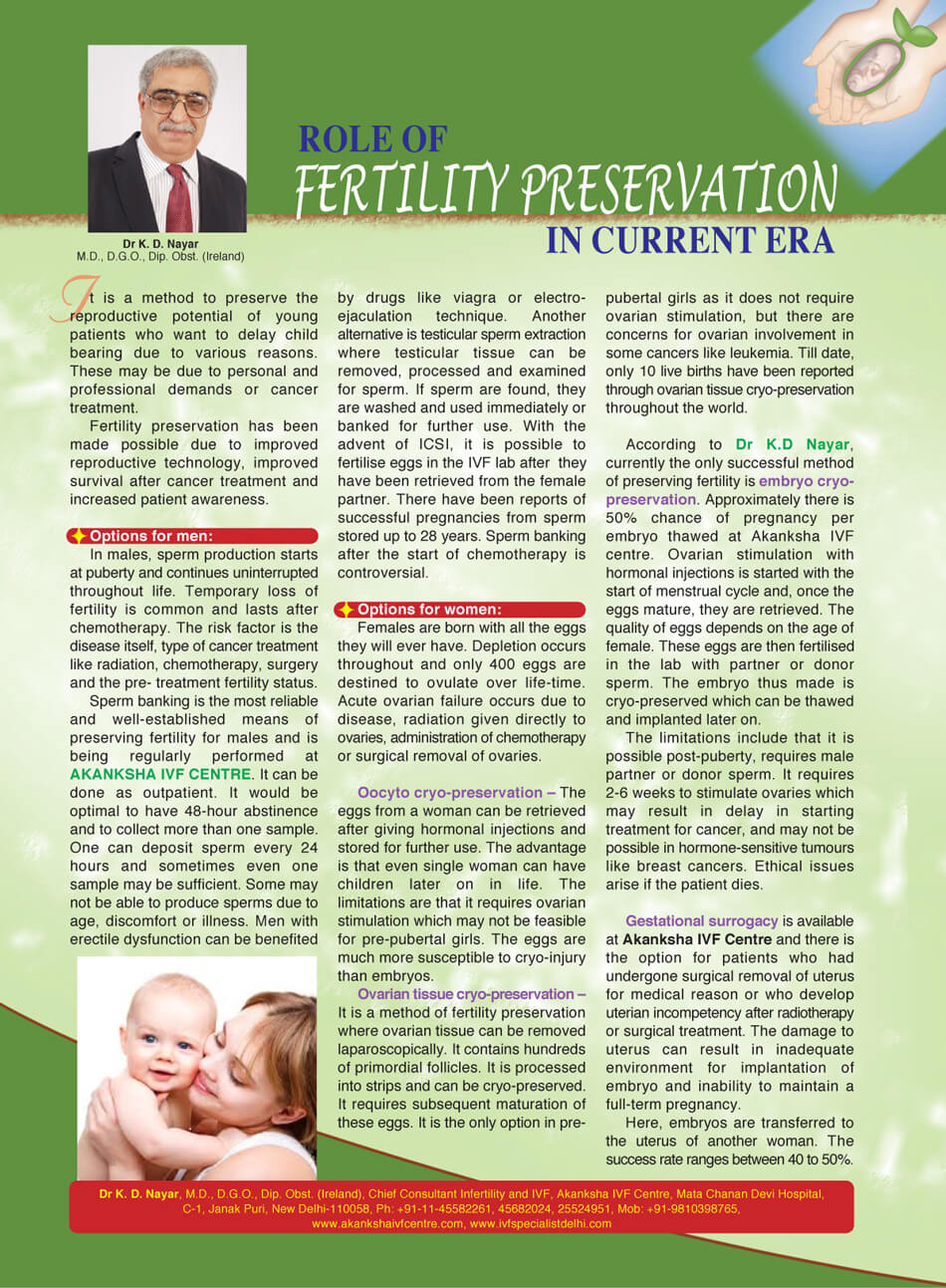
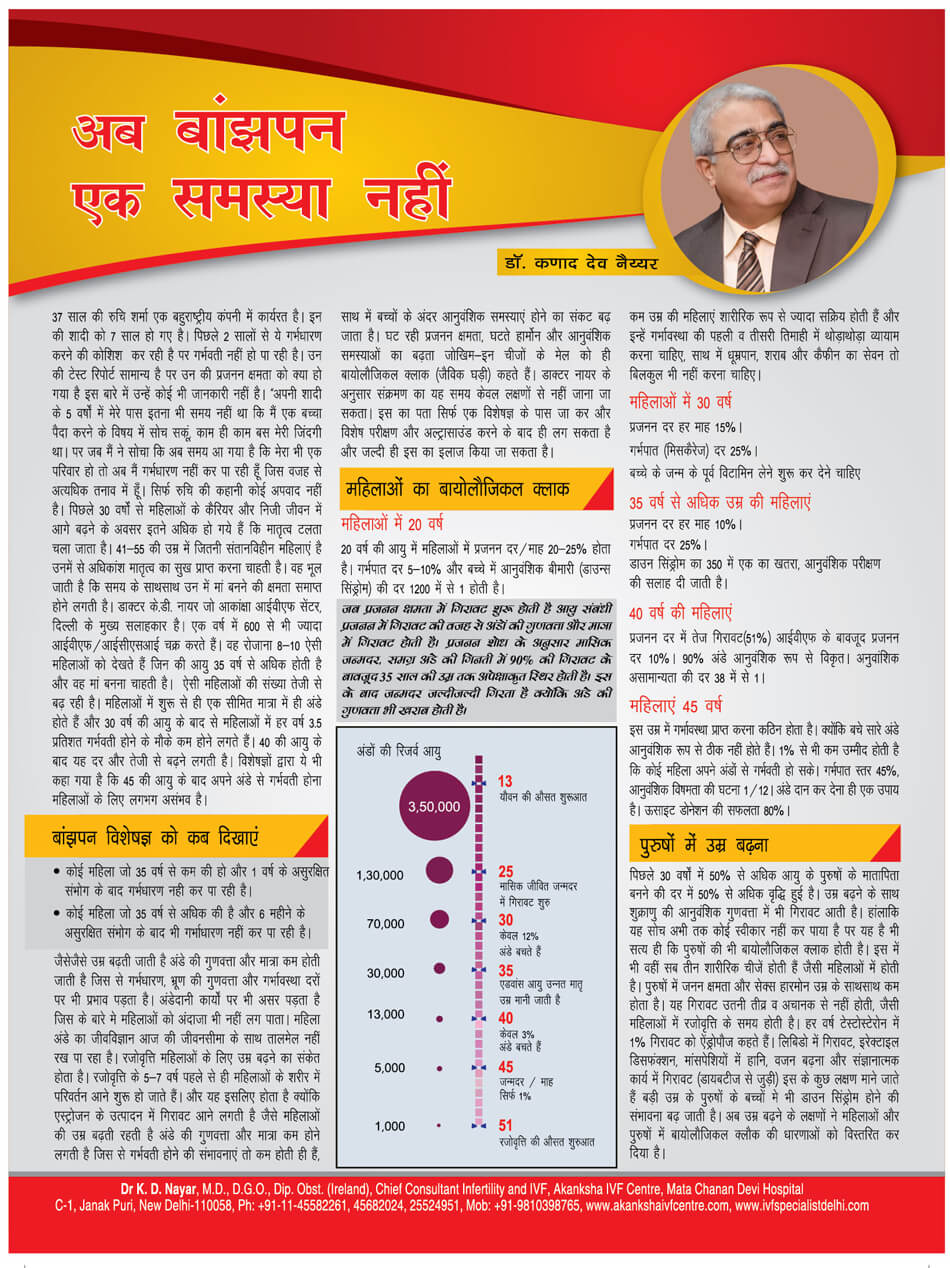
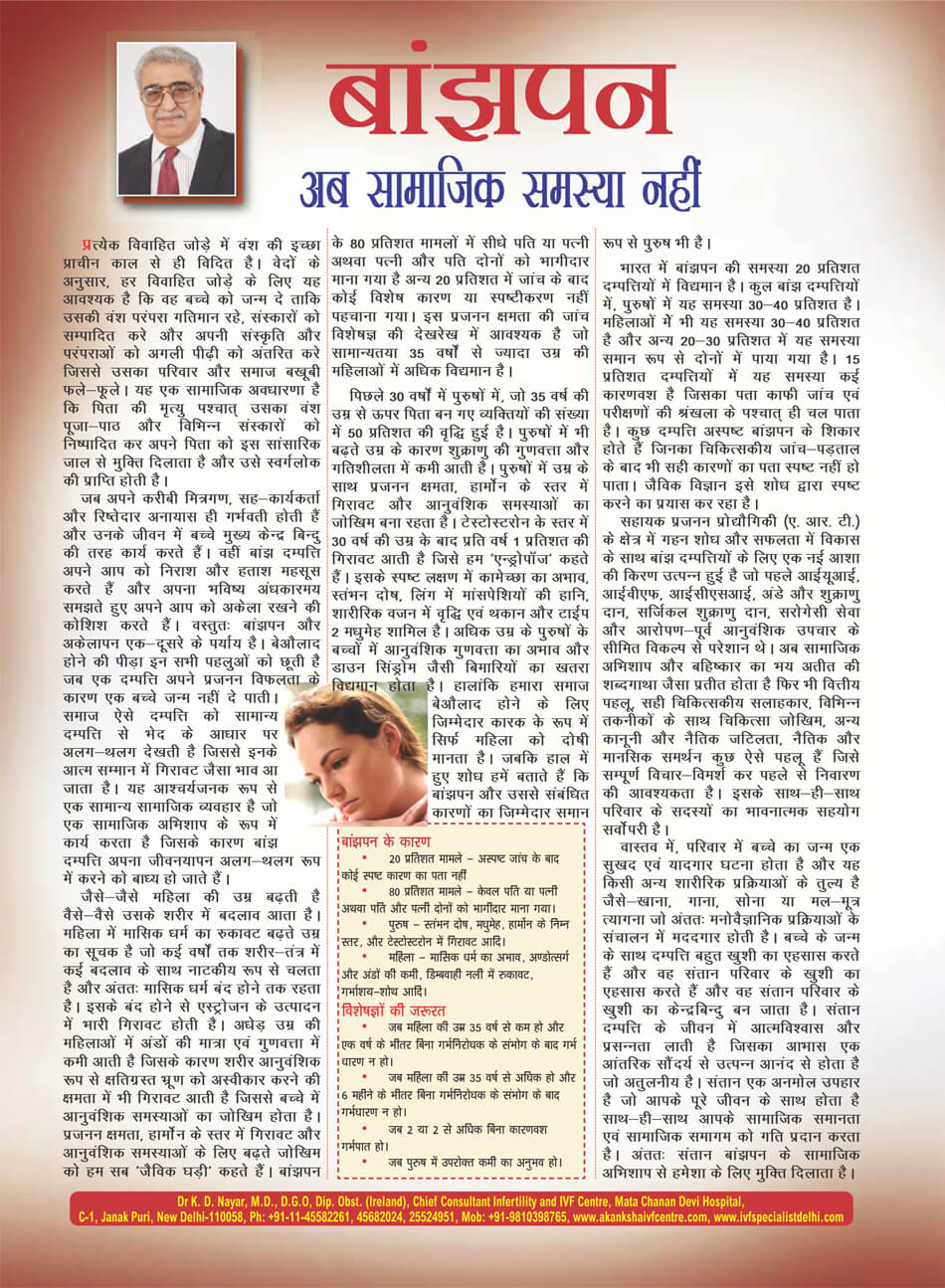
An interesting article on the challenging cases encountered at AKANKSHA IVF CENTRE, appeared in the monthly magazine ‘SANDESH’. The article delt in detail on the social stigma that affects women due to the tag of Infertility & how the latest techniques available at AKANKSHA IVF CENTRE have been able to help several such patients, whose cases were considered formidable.
Dr. KD Nayar has been infusing a lot of new and latest technologies at par with the best in the world today, which has made AKANKSHA IVF CENTRE a leading centre for offering support and cure to patients of infertility from far and wide. No wonder AKANKSHA IVF CENTRE is conducting more that 500 IVF cycles every year with excellent success rates.
we have enclosed below the scans of the articles as they have appeared in the above magazine.
– The Akanksha IVF Centre Team.


Conference was held in kanpur 5th & 6th October on National conference on infertility


Dr KD Nayar attends ASRM Conference at San Diego California USA.
The 68th Annual Conference of the prestegious American Society of Reproductive Medicine (ASRM) was held at San Diego, California, USA on the 20th to 24th October 2012. The prestegious conference showcased the latest technologies the world over, in the field of infertility & reproductive technologies. Dr KD Nayar visited USA for attending the conference during these dates. The five day conference was spread across a wide range of sessions from Robotic Surgeries, Scientific Programmes, Interactive Sessions, Round table Luncheons,Lecture Sessions, Poster presentations, Exhibitions, etc. The conference was a good platform to interact on a wide range of topics of interest in the field of IVF & Reproductive Technologies.
This is in tune with continued upgradation of the technologies currently being employed at Akanksha IVF Centre, for the benefit of our patients coming to our centre with lot of positive hope & belief.
Akanksha IVF Centre remains commited to offering the best technologies available across the world today to our eteemed & valuable patients.
Below are a few photographs of Dr KD Nayar at the conference.
[supsystic-gallery id=46]
Dr KD Nayar at OSAKA, JAPAN to attend ASPIRE 2012 Conference.
The prestegious ASPIRE Conference (Asia Pacific Initiative On Reproduction) for the year 2012 was held at OSAKA JAPAN from 31st August 2012 to 02nd September 2012. Since its inception in 2001, the ASPIRE platform has continued to initiate new projects and events to raise awareness of infertility and ART and to improve the quality of infertility-related services in the Asia-Pacific region.
In continuation with keeping updated with the latest technologies showcased across the world in the filed of IVF & Artificial Reproductive Technologies today, Dr. KD Nayar was in OSAKA, JAPAN to attend this prestegious conference. Enclosed below are a few photographs of the above visit to Japan.
The AKANKSHA IVF CENTRE TEAM.
[supsystic-gallery id=47]
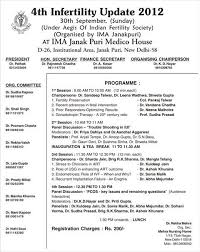
Academic Program-4th Infertility Update on 30th Sept 2012.
The 4th Infertility update will be organized by the team of AKANKSHA IVF CENTRE on the 30th September 2012 (Sunday) at IMA Janakpuri, Medico House, D-26, Institutional Area, Janakpuri, New Delhi. The event will provide a lot of insight into the latest trends & technologies in the ever evolving field of Inferility management
Following will be the academic program for the ready reference of the participating delegates:
Article on AKANKSHA IVF Centre in ‘Sandesh’ Magazine.
An interesting article on the challenging cases encountered at AKANKSHA IVFCENTRE, appeared in the monthly magazine ‘SANDESH’. The article delt in details on the social stigma that affectes women due to the tag of Infertility & how the latest techniques available at AKANKSHA IVF CENTRE have been able to help several such patients, whose cases were considered formidable.
Dr. KD Nayar has been infusing a lot of new and latest technologies at par with the best in the world today, which has made AKANKSHA IVF CENTRE a leading centre for offering support and cure to patients of infertility from far and wide. No wonder AKANKSHA IVF CENTRE is conducting more that 500 IVF cycles every year with excellent success rates.
we have enclosed below the scans of the articles as they have appeared in the above magazine.
The Akanksha IVF Centre Team.
[supsystic-gallery id=48]
Article in ‘Women’s Era’ magazine by Dr. KD Nayar.
Infertility is a problem which is believed and estimated to affect close to 15% – 20% of the populations in our country. The impact of infertility comes with a load of a lot of emotional distress as well, which is often compounded by social factors. The society tends to blame the woman on impulse as the responsible factor for childlessness. However data suggestes that the probability of infertility related factors can lie equally with the male partner.
Dr. K.D.Nayar recently wrote an article in the prestegious magazine, “Woman’s Era”, which appeared in the July 2012 (First) edition. The article was titles, “From HeartbreakTo Hope. The Emotional Aspects Of Infertility.” The articles has recieved a lot of appreciation for the contents and the emotional factors related to infertility.
Please find below the copy of the article, which we hope you will find interesting.
The Akanksha IVF Centre Team.
