
The IVF Process — Step 7: Embryo Transfer Procedure
The embryo transfer is the culminating and most emotionally significant step of your active IVF cycle. At Akanksha IVF Centre, renowned as the best IVF centre in Delhi for consistent clinical success rates, this delicate micro-procedure is performed with master-level precision to optimize uterine implantation dynamics.
Strategic Transfer Modalities
Depending on your hormone levels, endometrial lining thickness, and overall physical recovery following ovarian stimulation, Dr. K. D. Nayar will guide you toward one of two primary transfer pathways:
- Fresh Embryo Transfer: Executed exactly 3 to 5 days directly following your egg retrieval window. This path is chosen if your uterine lining has developed in perfect harmony with your embryonic growth timeline.
- Frozen Embryo Transfer (FET): This is an increasingly preferred choice where your high-grade blastocysts are safely vitrified (flash-frozen) by our lab team. This allows your body to fully recover from stimulation medications, ensuring the embryos are returned during a later, precisely controlled natural or hormone-prepared cycle.
The Clinical Procedure: What to Expect
The embryo transfer is a quick, gentle, and generally pain-free procedure that closely resembles a routine pap smear. It does not require sedation or anesthesia.
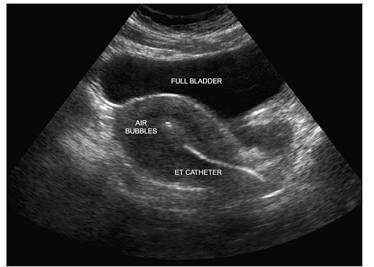
While you relax in our comfortable treatment suite, a full bladder is utilized to provide clear, sharp imaging visibility. Using real-time transabdominal ultrasound guidance, our fertility specialist carefully threads a soft, highly flexible transfer catheter through the cervix and directly into the optimal implantation zone of the uterine cavity. The embryologist delivers the selected embryo into the catheter, and it is gently released into the endometrial lining.