
The IVF Process — Step 8: Luteal Support & Pregnancy Test
Following your embryo transfer, you enter the final phase of the biological cycle: the luteal phase. At Akanksha IVF Centre, recognized as the best IVF centre in Delhi for comprehensive fertility care, we provide specialized medication regimens during this period to optimize your uterine lining for successful embryo implantation.
Essential Luteal Phase Medication Protocols
Because the medications used during egg retrieval can temporarily lower your body’s natural progesterone production, external hormone support is required. Progesterone plays a critical role in keeping the uterine lining thick, receptive, and secure for an implanting embryo.
- Personalized Supplementation Routes: Depending on your unique hormonal baseline, Dr. K. D. Nayar will prescribe progesterone through vaginal gels, oral capsules, or targeted intramuscular injections.
- Adherence to Medication Plans: It is vitally important to continue your prescribed hormonal supplements exactly as directed. Do not alter or stop your medication plan without consulting our medical team, even if you experience light spotting.
Navigating the Two-Week Wait & the Beta hCG Test
The 12 to 14 days following your embryo transfer are commonly referred to as the “two-week wait.” While this period can be emotionally challenging, our dedicated clinical coordinators provide continuous guidance and support.
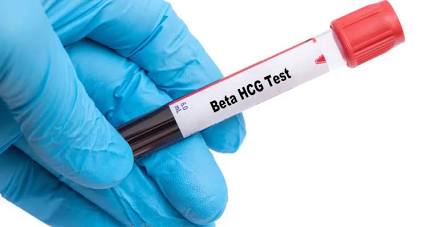
We advise against using home urine tests during this time, as they can deliver misleading false-positive or false-negative results due to residual trigger medications. Instead, we confirm your results using a precise, quantitative Beta hCG blood test in our laboratory on the designated day. This test measures the exact concentration of Human Chorionic Gonadotropin, the hormone produced by developing placental cells, providing a definitive confirmation of pregnancy.